
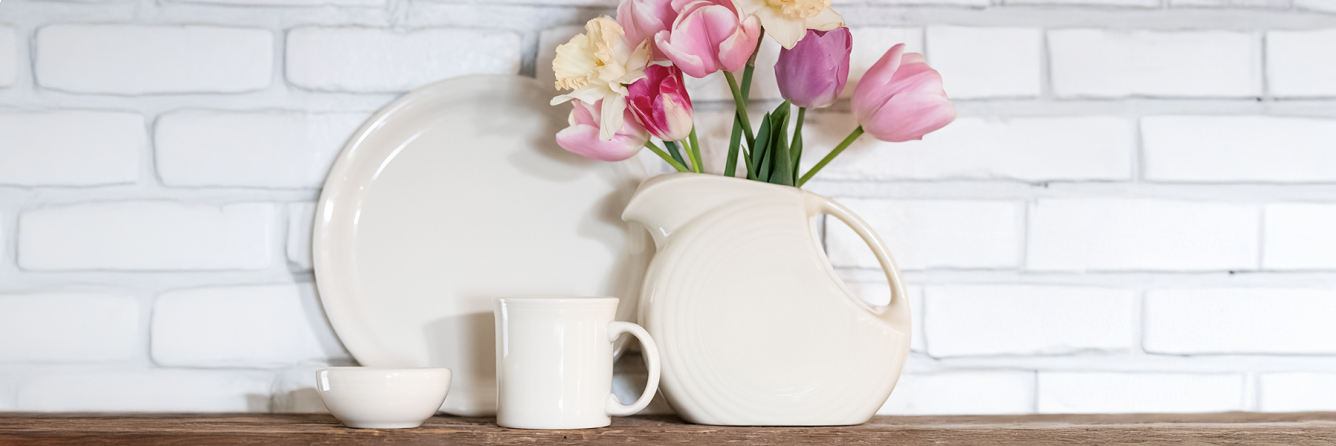
Fiesta® Dinnerware. A brand synonymous with setting the table for generations of family dinners, special occasion meals, and holiday gatherings. Fiesta® has spent over 150 years cultivating its legacy, creating pops of color to showcase passed-down recipes and keep every family member running to the dinner table. But how did Fiesta® create this legacy, and how have they continued to draw an intergenerational audience to their anxiously-awaited yearly color releases? Keep reading to learn more about Fiesta’s® journey to becoming a staple in America’s china cabinet.
Inspired Beginnings
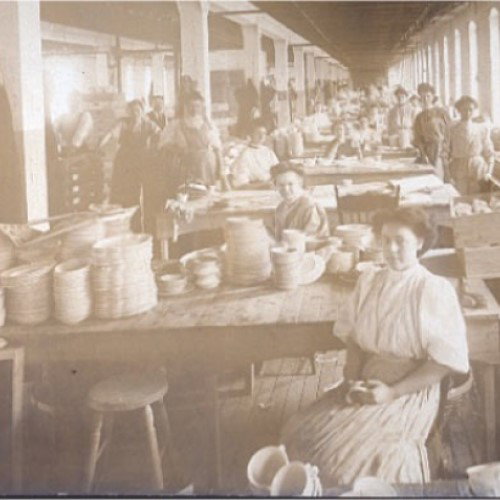
In 1871, two brothers sought to create potteryware in their hometown of East Liverpool, Ohio. The pottery industry was booming in this region, thanks in part to the rich deposits of local clay and the convenience of the Ohio River for transporting goods. However, at the time, trends were shifting in the dinnerware industry. While plentiful and easy to produce in the United States, yellow clay dinnerware was falling out of favor, and many were seeking the high-end white ware that was being imported from England. Local potters saw a need for change, and the East Liverpool City Council offered $5,000 to someone willing to build and operate a white ware pottery. Homer and Shakespeare Laughlin’s proposal was enough to win over the Council, and a two-kiln pottery plant was built near the banks of the Ohio River in 1873.
Creating A Legacy
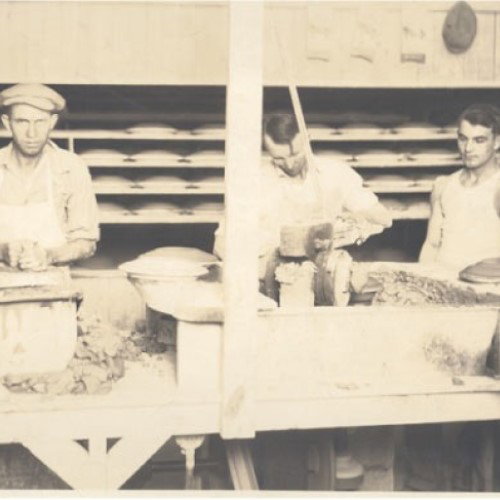
Wasting no time, the Laughlin Brothers quickly made a name for themselves in the pottery industry. Known for their quality pieces, by 1876, the duo won an award for their white granite ware at the United States Centennial Exposition in Philadelphia. As Shakespeare began to pursue other business ventures, the business became a solo enterprise under the name Homer Laughlin China Works. Continuing to develop into the late 1800s, the company had become one of the better-known china manufacturers in the United States. A young bookkeeper, William Edwin Wells, joined the company to help manage the books. By 1897, when Mr. Laughlin was planning on retirement, Wells became the perfect choice to take over the business. Purchasing the company with a financial partner, Louis Aaron, the pair rapidly accelerated growth, and by the end of the 1920s, they officially had 8 plants with over 160 upright kilns. When the time came for Wells to retire, his eldest son Joseph took over operations, and Frederick Hurten Rhead was hired as design director in 1927. Rhead's addition to the company planted the seed that would grow into their greatest accomplishment thus far - Fiesta®.
A Colorful History
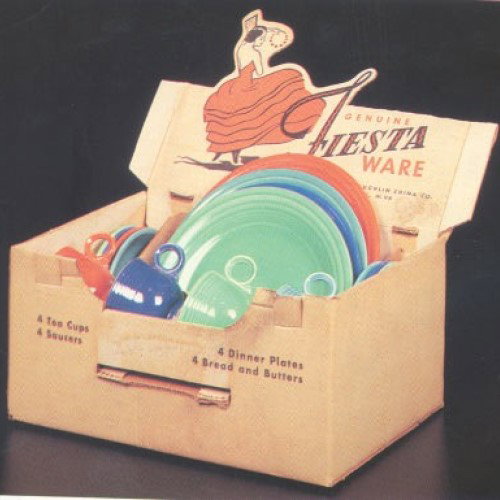
With great fanfare, Rhead and Wells debuted the first Fiesta® Collection at the Pittsburgh China & Glass Show in January 1936. Taking inspiration from the popular Art Deco style of the time, Rhead designed pieces that featured concentric circles and bold, bright colors. The original color lineup, featuring Red, Yellow, Cobalt Blue, Green, and Ivory, was an instant hit with the public, and by Fiesta’s® second year in production, more than one million pieces were created. Adding Turquoise to the lineup by 1937, the core 6 colors maintained their popularity into the late 40s. Moving with the trends rather than against them, Fiesta® welcomed a collection of soft pastel colors in the 1950s. While navigating the ever-changing color trends of the 50s and 60s, the popular earth tones produced at the time were not creating as big of a draw. With sales falling, Fiesta® was retired in 1972 after 37 years of production. Rather than fading in popularity, the retirement incited a demand amongst collectors and reminded them of childhood dinners. As time passed, the value of these pieces increased and the number of collectors grew. As Fiesta’s® popularity grew back in demand, popular NYC department store Bloomingdale's approached the company about bringing Fiesta® back in 1985. Both companies agreed they had a unique opportunity to improve upon the tradition of this vibrant dinnerware. Maintaining the durable, restaurant-quality china construction and upgrading the glaze to lead-free ceramic was their solution. The improvements proved to be successful amongst consumers, and a new generation became attached to the tradition of Fiesta®. Since resuming production, Fiesta® has released colors to suit any kitchen - from bold, bright colors to soft, refined neutrals.
Welcoming Linen
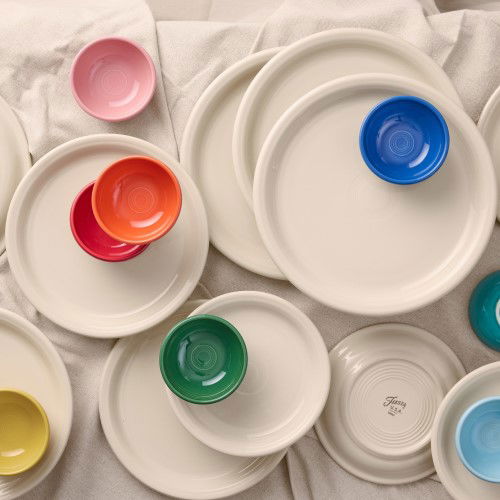
Over the years, Fiesta® has continued to surprise their customers with fun new shades, which has since become a yearly tradition for the company. Since Fiesta’s® inception, they have released dozens of colors in every shade and hue, all culminating in this year's color release, Linen. Straying away from the bold shades they've come to be known for, Linen is demure, sophisticated, and elegant - a true celebration of the craft of pottery. Linen is inspired by the earthy, natural beauty of clay, and how it can transform from earth to an heirloom piece that can be passed from generation to generation. Evoking a warm, welcoming presence to your dinner table, Linen plays well with every shade in Fiesta's® Collection, making it a true standout color addition ready to curate any tablescape. Shop all Fiesta® Linen here!